
I've been coding for a while and feel ready for a proper upgrade.
Running virtual environments and multiple AI agents at the same time, and my current laptop is starting to struggle.
I don't want to skimp on my work tools, but I'm not sure how much to spend. 😂
Someone just tell me what to get!
Hey, Takumi here from ZippyLaptop.
Once you've got comfortable with coding, you start wanting a more capable setup. Spinning up Docker containers, running multiple AI agents, keeping your browser, editor, and terminal open all at once — before you know it, your current machine starts struggling and breaks your concentration. Sound familiar?
Here's the thing: at the intermediate level, picking a laptop with mediocre specs now just means you'll be upgrading again in a year or two. Cutting corners on your main dev tool is honestly one of the most costly mistakes you can make.
So let's get a professional opinion. I've personally reviewed over 100 laptops and run a triple-display setup for my own development work. From that experience, here's what I'd say actually matters for intermediate developers.
In this guide, I'll cover three key factors — specs, usability, and price — so you can find a laptop you won't regret. Read to the end and you'll have a clear idea of your next dev machine. Let's have a look.
Quick Answer
I'll get straight to the point.
For intermediate programmers, go for 32GB RAM, Core 5/Ryzen 5 (or M4 or better), and a high-res display — you won’t look back.
Based on the conclusion above, here are the 3 laptops I'd recommend first.
If you're stuck deciding, picking from this shortlist will rarely lead you wrong.
The rest of the article breaks down the differences and how to choose.
Our TOP 3 Picks
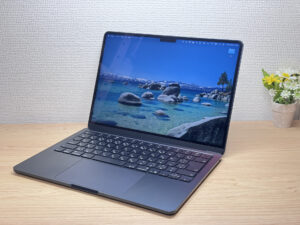
Fanless, featherlight, and genuinely fast. The Air that makes the Pro feel like overkill.
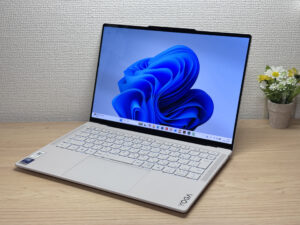
Cracking OLED in a featherlight 964g (2.1 lbs) body — hard to fault.
Buying Guide
Specs: Go for 32GB RAM and a High-Res Display
If you've been coding for 3+ years and you're ready for your next machine, here's what I'd recommend:
- CPU: Intel Core 5 / AMD Ryzen 5 or better (Mac: M4 chip or better)
- RAM: 32GB or more
- Display: At least IPS, ideally OLED with high resolution (3K–4K class)
In the age of running Docker environments and multiple AI agents like Codex or Claude Code simultaneously, 16GB RAM will hit a wall surprisingly quickly. Juggling your editor, browser, terminal, AI agents, and virtual environments all at once? Trust me, 32GB makes a real difference.
Now, about the display. I often hear people say “3K and 4K make text too small to read” — that’s actually a misconception. Both Windows and Mac have display scaling, so you can have crisp text at normal sizes. The result is that source code is genuinely easier to read. Personally, once I switched to a high-res display for coding, there’s no going back to Full HD. I’m fairly convinced it’s easier on your eyes too.
 Source code on a high-res display is genuinely beautiful to look at. 😍
Usability: 13–14 Inches + External Monitor = Portable Desktop
If portability matters to you, 13–14 inches is the ideal size. Whether you’re in a café, working remotely, or at home, being able to just grab it and get going makes a real difference. Anything smaller gets cramped when you’re trying to view AI agent output and your code side by side. On the flip side, 15 inches and above can work — but only if it’s a lightweight model. Larger laptops are harder to fit in a rucksack and generally heavier, so think carefully before going that route.
The single biggest boost to your productivity, though, is setting up an external monitor as your main screen when you’re at home or in the office. When you’re out and about, your laptop handles everything — but when you’re settled in, pairing it with an external keyboard, mouse, and monitor is the most effective setup going. At that point, your laptop’s screen size becomes irrelevant.
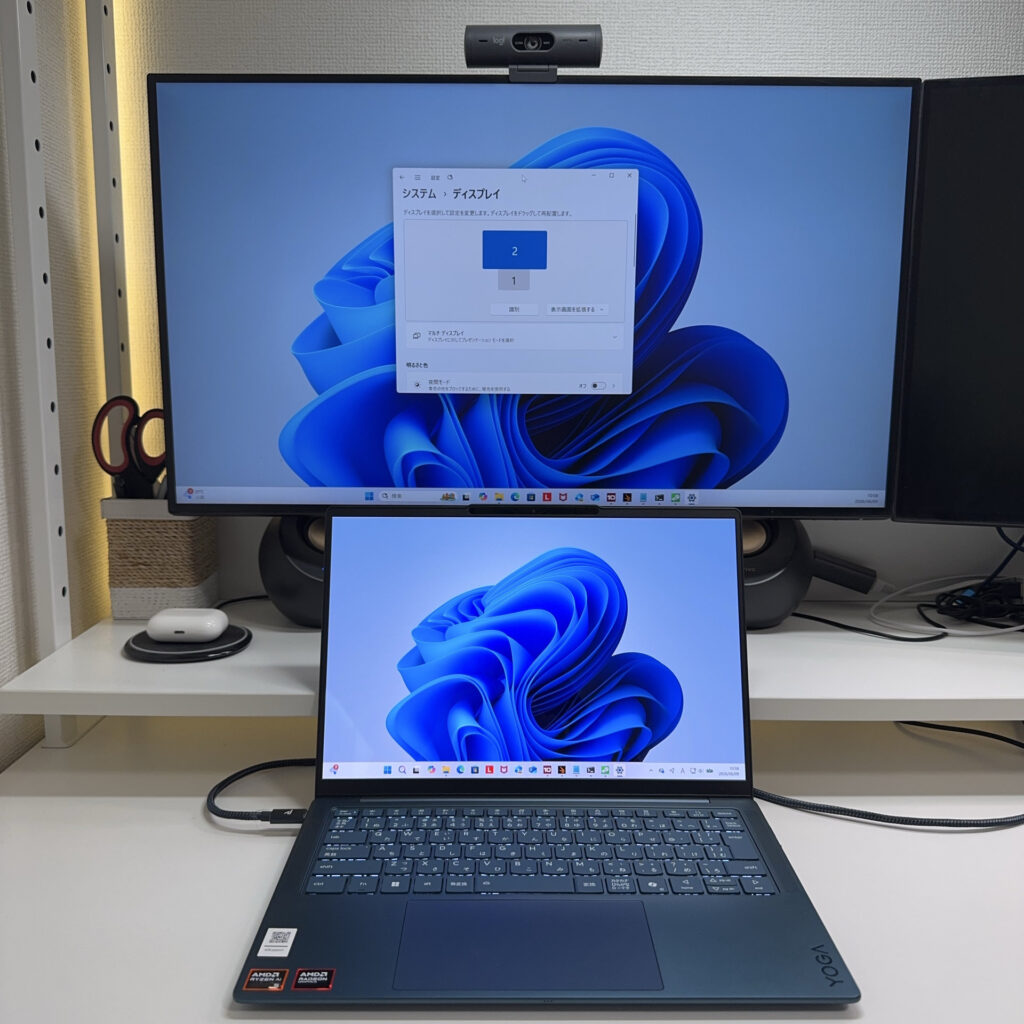 Honestly, an external monitor is probably the best investment you can make for your dev setup.
For what it’s worth, I run my laptop with two 27-inch 4K monitors in a triple-display setup — that’s the arrangement I’ve settled on. More screen space directly translates to more productivity. 💪 Portability on the go, wide screen at home — you get the best of both.
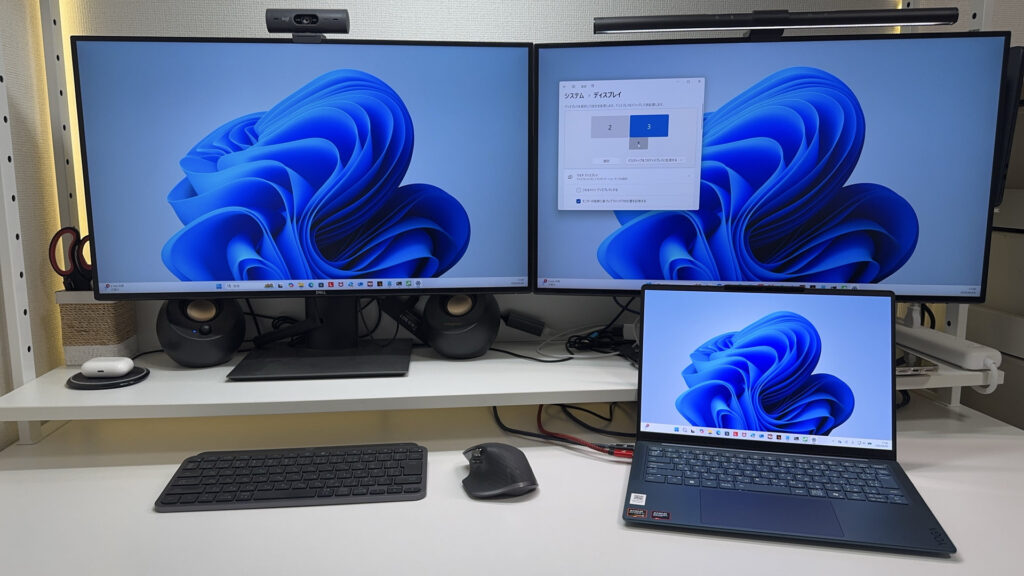 Two 27-inch monitors side by side is the perfect fit — 32-inch would be too wide.
Price: Your Work Tools Are Worth Investing £1,300–£2,000 In
On price — if you’re past the intermediate level, it’s worth investing in a solid machine in the £1,300–£2,000 range. Think of it as an investment in yourself.
Honestly, there’s no benefit to cutting corners here. Don’t be tempted to skimp — that’s my genuine view. 🔥 Yes, things like a high-res 4K display push the price up, but this is your daily work tool. If you compromise now, you’re just making things harder for yourself — and you can always out-earn the cost with better output. For an intermediate developer, your laptop is like a cricket bat for a professional player. You can manage with a cheap one, but if you’re serious about your craft, you want something that feels right.
A great laptop is simply more enjoyable to use, and that satisfaction feeds directly into your motivation to code. Spending a bit more on a machine you genuinely enjoy every day — one that speeds up your work and learning — is absolutely worth it in the long run. Choose something you’ll be happy with for years, and you’re far less likely to regret it.
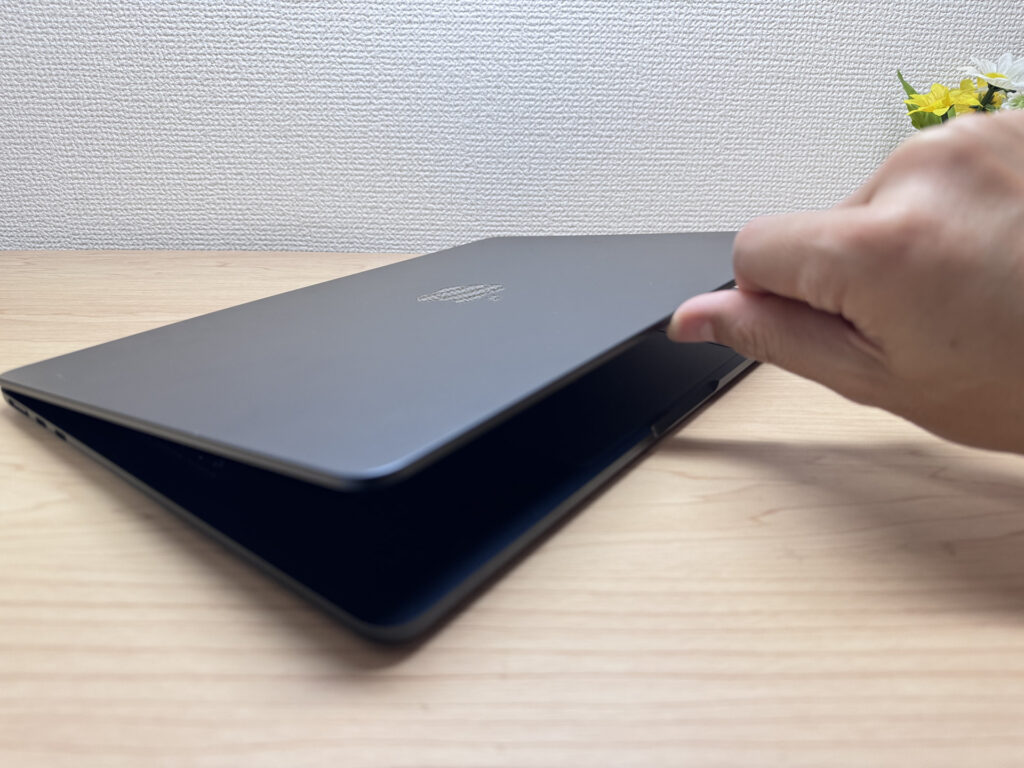 A quality laptop opens with one finger. That little detail tells you everything. ✨
Our Picks
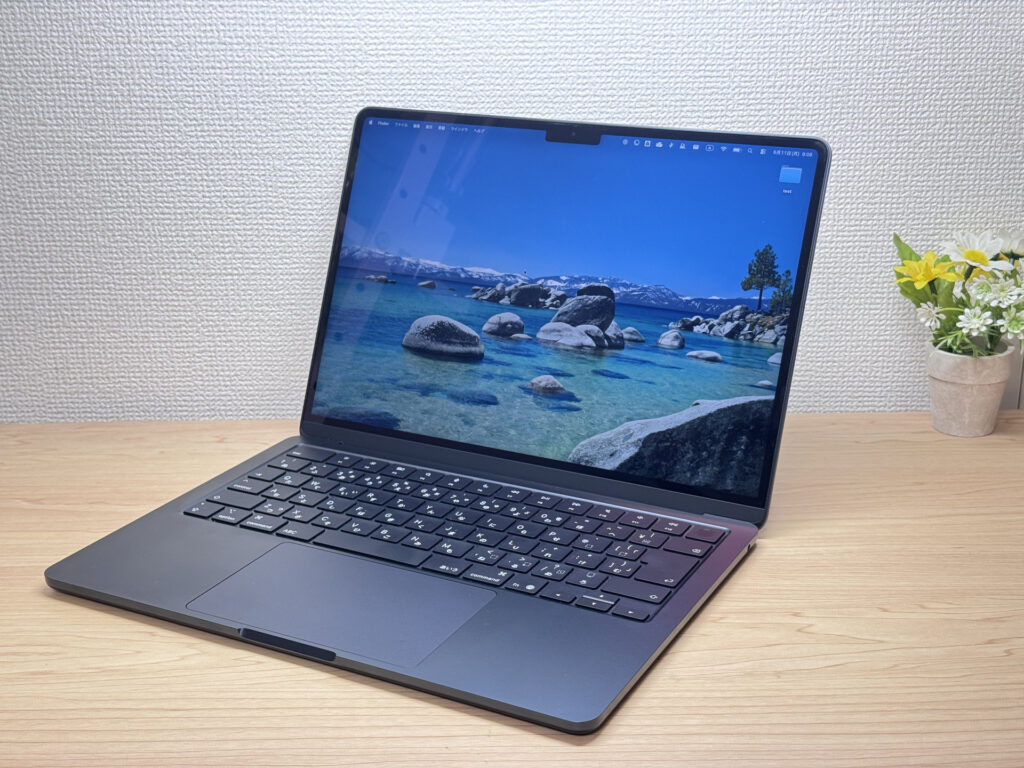
#1Apple MacBook Air (13-inch, M4, 2025)
- ·You carry your laptop to uni, the office, or a café every day
- ·You want all-day battery without hunting for a power socket
- ·You work in quiet spaces like a library or co-working space
- ·You need a capable machine for writing, browsing, and everyday tasks
- ·You have a lot of peripherals — USB-C only means you’ll need a hub
- ·Your main use is heavy gaming or serious external GPU tasks
Key Specs
- CPU
- Apple M4
- Display
- 13.6-inch 2560x1664 IPS
- RAM
- 32GB
- Weight
- 1.24 kg (2.73 lbs)
- Storage
- 1TB SSD
- Battery
- ~18.0h
Why We Picked It
The MacBook Air (13-inch, M4, 2025) does something I didn't quite expect: it handles programming, video editing, and multi-monitor setups in complete silence — no fan, not ever. At 1.22 kg and just 11.3 mm thin, it disappears into a rucksack without a second thought. The Retina display is lovely, the trackpad is still the best in the business, and the overall build quality just feels right.
The downsides? Just two USB-C ports, so a hub becomes a given if you use a lot of peripherals. And the Midnight finish is a fingerprint magnet — Silver would be the smarter choice there. But honestly, this machine covers everything from everyday use to serious creative work without breaking a sweat. It’s the Air that makes you wonder why anyone pays extra for the Pro.
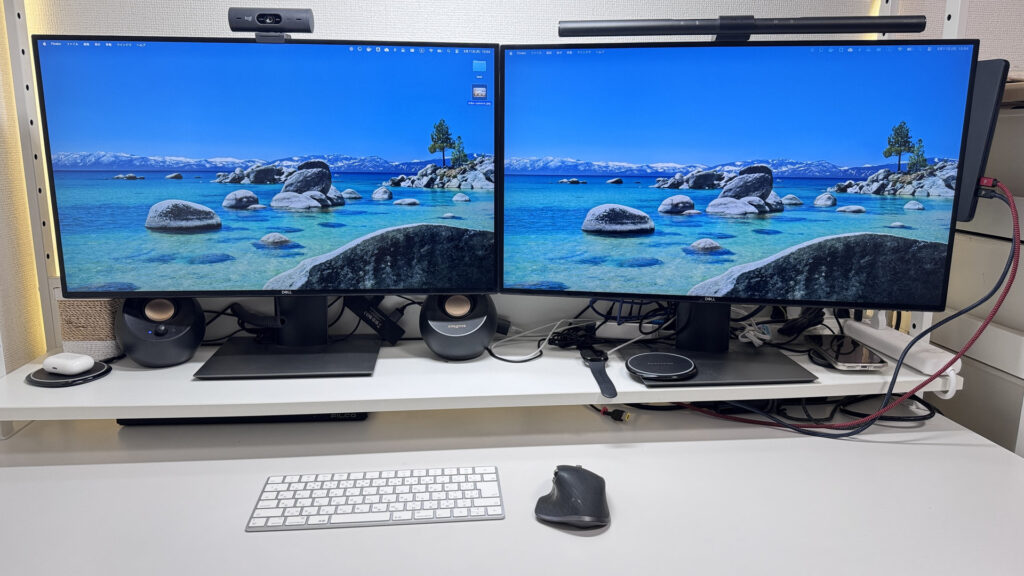 My personal favourite: running it in clamshell mode as a full desktop setup.
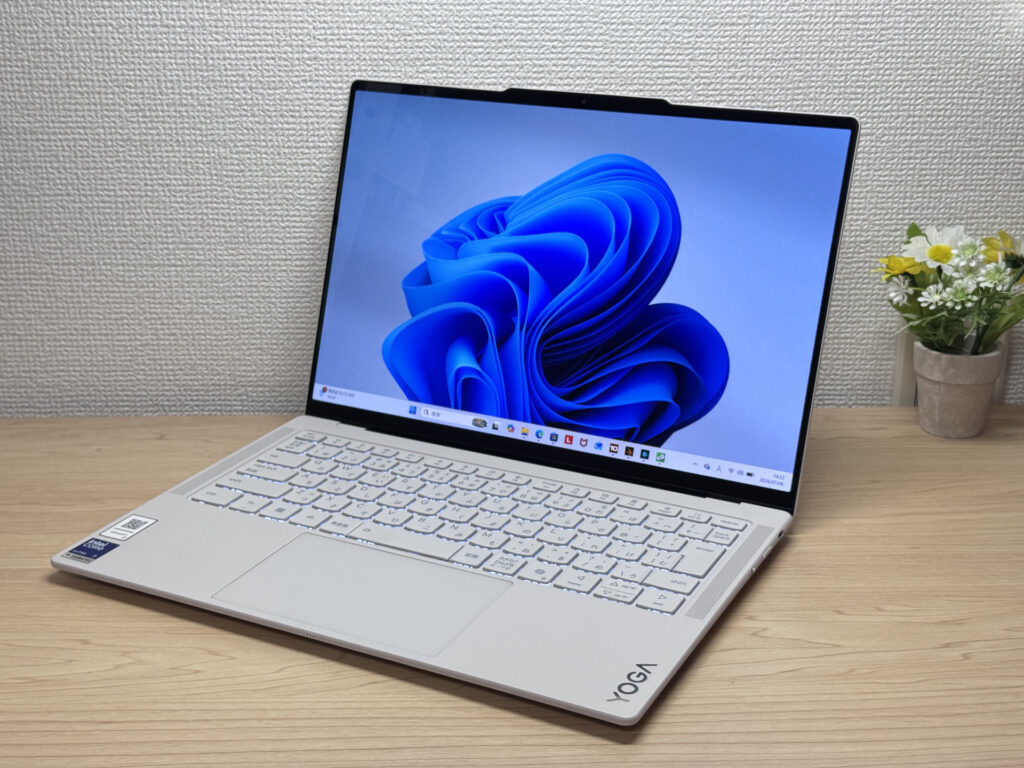
#2Lenovo Yoga Slim 7i Ultra Gen 11 Aura Edition
- ·You do creative work, like content creation or editing
- ·You're a professional who cares about premium build quality
- ·You're an intermediate-or-above user after something a notch nicer
- ·You want a great screen for watching films and videos
- ·You're shopping on price above all else — this isn't the budget pick
- ·You need to connect a lot of peripherals at once without carrying a hub
Key Specs
- CPU
- Intel Core Ultra 5 325
- Display
- 14.0-inch 2880x1800 OLED touch
- RAM
- 32GB
- Weight
- 0.97 kg (2.15 lbs)
- Storage
- 1TB SSD
- Battery
- ~22.8h
Why We Picked It
Lenovo Yoga Slim 7i Ultra Gen 11 Aura Edition is a premium ultraportable that manages something rare: a 964g magnesium-aluminium body paired with a vivid OLED display. You're limited to USB-C ports and the price is on the higher side, but factor in the smooth 120Hz OLED panel and a pressure-sensitive haptic trackpad, and the balance of build quality, performance and portability makes a lot of sense.
That smooth magnesium-aluminium finish makes for a lovely front design!
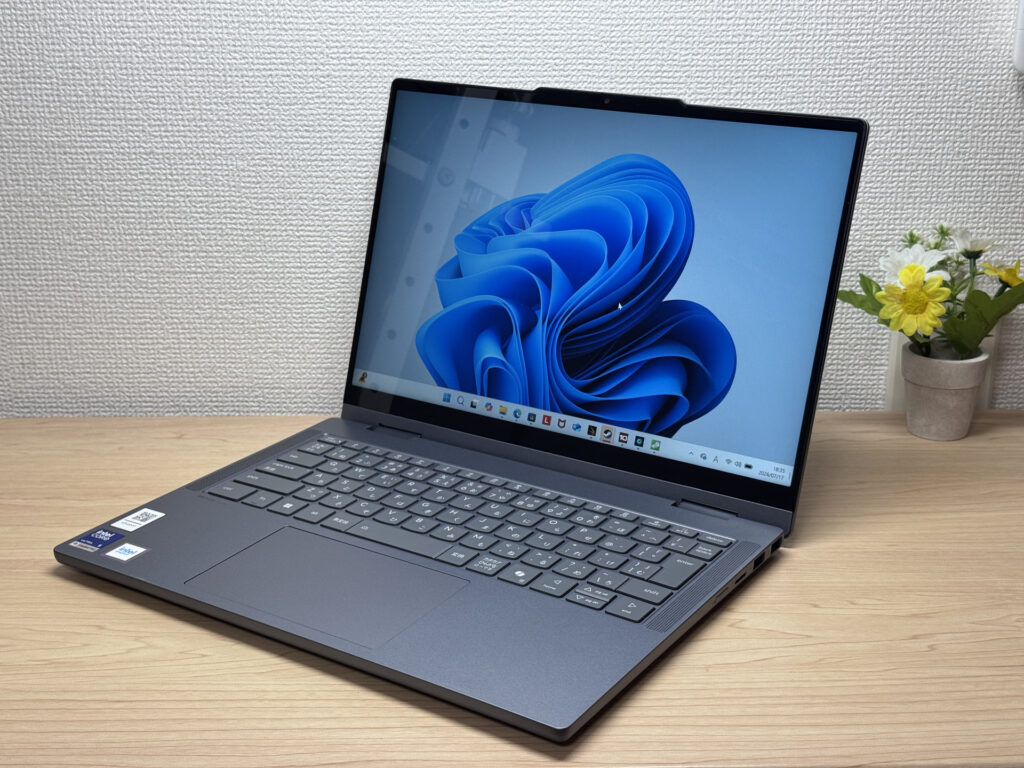
#3Lenovo IdeaPad 5i 2-in-1 Gen 11 (14-inch Intel)
- ·You want a laptop that handles reports and web browsing without breaking a sweat
- ·You don't want to worry about finding a socket while you're out
- ·You're a student who wants to take handwritten notes in tablet mode with the stylus
- ·You want to pair it with an external monitor and keyboard for a mini desktop setup
- ·You're carrying it around every single day
- ·You're after serious gaming or video editing
- ·You want a machine built primarily for illustration or handwriting
Key Specs
- CPU
- Core Ultra 7 355
- Display
- 14.0-inch 1920x1200 OLED touch
- RAM
- 32GB
- Weight
- 1.54 kg (3.40 lbs)
- Storage
- 1TB SSD
- Battery
- ~20.0h
Why We Picked It
The IdeaPad 5i 2-in-1 Gen 11 (14-inch Intel) is a 14-inch 2-in-1 laptop with a 360° hinge and a bundled Lenovo Yoga Pen, giving you tablet and stylus input on top of regular laptop use. With an Intel Core Ultra 5 and 16GB of RAM, everyday tasks feel snappy, and a well-rounded port selection — two USB-A, HDMI, and two USB-C — makes hooking up peripherals easy. At 1.54kg (~3.4lbs) it runs a bit heavy, but it's hard to find a 2-in-1 this feature-packed at the price — the value here is hard to argue with.
 A 2-in-1 that flips into 4 modes, with solid build quality too
More Recommended Models
If our TOP 3 didn't quite click, take a look here too. These are picked with the same criteria, so you won't go far wrong either.
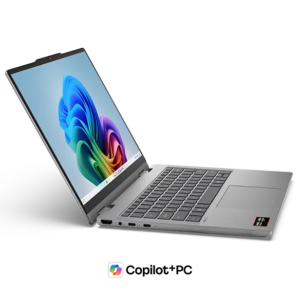
A 14-inch 2-in-1 with a bundled pen — work, study, and sketching all in one.
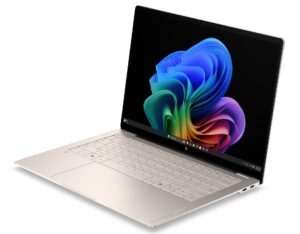
10.7mm thin, 1.27 kg, 3K OLED — HP's most accomplished laptop in years.
Spec Comparison
Compare specs of all 5 recommended models at a glance.
Note: This table is ordered by our editors' picks for this use case, not by ZippyScore.
| Model | Image | Stores | Highlights | ZippyScore | CPU | RAM | Storage | Display | Battery | Weight | Full Review |
|---|---|---|---|---|---|---|---|---|---|---|---|
|
🥇 Best Overall
Apple
MacBook Air (13-inch, M4, 2025)
|
|
Amazon | Fanless, featherlight, and genuinely fast. The Air that makes the Pro feel like overkill. | Best 4.6/5 | Apple M4 | 32GB | 1TB |
13.6"
2560x1664
IPS
|
~18.0h | 1.24 kg (2.73 lbs) | Full Review |
|
🥈 Best Balanced Pick
Lenovo
Yoga Slim 7i Ultra Gen 11 Aura Edition
|
|
Amazon | Cracking OLED in a featherlight 964g (2.1 lbs) body — hard to fault. | Best 4.6/5 | Intel Core Ultra 5 325 Passmark: 21,039 | 32GB | 1TB |
Best 14.0"
2880x1800
OLED
|
~22.8h | Best 0.97 kg (2.15 lbs) | Full Review |
|
🥉 Best Value Pick
Lenovo
IdeaPad 5i 2-in-1 Gen 11 (14-inch Intel)
|
|
Amazon | A 2-in-1 that flips into tablet mode, stylus included | 4.5/5 | Core Ultra 7 355 Passmark: 20,954 | 32GB | 1TB |
14.0"
1920x1200
OLED
|
~20.0h | 1.54 kg (3.40 lbs) | Full Review |
|
Lenovo
IdeaPad 5a 2-in-1 Gen 11 (14" AMD)
|
|
Amazon | A 14-inch 2-in-1 with a bundled pen — work, study, and sketching all in one. | 4.4/5 | AMD Ryzen AI 7 445 Passmark: 20,770 | 32GB | 1TB |
14.0"
1920x1200
OLED
|
- | 1.54 kg (3.40 lbs) | Full Review |
|
HP
OmniBook Ultra 14-kd
|
|
Amazon | 10.7mm thin, 1.27 kg, 3K OLED — HP's most accomplished laptop in years. | 4.0/5 | Best Intel Core Ultra 7 356H Passmark: 33,574 | 32GB | 1TB |
Best 14.0"
2880x1800
OLED
|
Best ~30.0h | 1.27 kg (2.80 lbs) | Full Review |
Frequently Asked Questions
Do intermediate developers really need 32GB RAM? Won’t 16GB do?
What CPU performance should I be looking for?
Won’t a high-res display make text too small to read?
What AI coding tools do you recommend?
Isn’t £1,300–£2,000 too expensive?
Summary
Here's a quick recap of the conclusion from this article:
These are the models that meet those criteria:
- #1 Apple MacBook Air (13-inch, M4, 2025)
- #2 Lenovo Yoga Slim 7i Ultra Gen 11 Aura Edition
- #3 Lenovo IdeaPad 5i 2-in-1 Gen 11 (14-inch Intel)
- #4 Lenovo IdeaPad 5a 2-in-1 Gen 11 (14" AMD)
- #5 HP OmniBook Ultra 14-kd
We hope you find the laptop that's right for you here.
Happy laptop hunting!
About the author