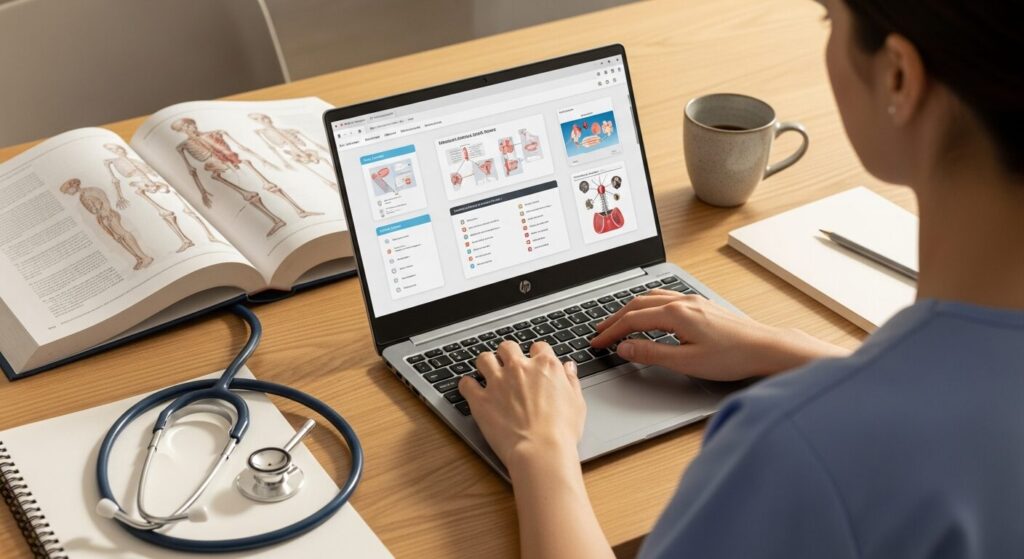
My school told me to get a laptop but I have no idea what to pick... do nursing programs need special software? I don't want to overspend, but I don't want to regret going too cheap either. Somebody just tell me the answer 😂
Hey, what's up — Takumi here from ZippyLaptop.
Picking a laptop as a nursing student is trickier than it looks 🤔. The second you start searching, you get hit with a wall of CPU, RAM, and SSD jargon, and it's easy to end up choosing something without really knowing what you actually need.
And here's the scary part — buying blind usually backfires. You either get talked into an overpriced model, or you go too cheap and end up lugging around something heavy, and both are classic nursing-student pitfalls.
So let's bring in some expert help 👍. I've been an engineer for over 20 years and reviewed 100+ laptops, and in this post I'll break down how to pick a laptop for nursing school around three things — specs, everyday usability, and price — then show you laptops that actually check those boxes.
By the end, you'll know exactly what to look for and which laptop to buy without any regrets. Let's get into it!
Quick Answer
I'll get straight to the point.
For nursing school, aim for 8GB+ RAM (16GB if you can), a 13–14" laptop around 1.2kg, and a budget under $1,200.
Based on the conclusion above, here are the 3 laptops I'd recommend first.
If you're stuck deciding, picking from this shortlist will rarely lead you wrong.
The rest of the article breaks down the differences and how to choose.
Our TOP 3 Picks
Under 1kg, seriously cute design, solid specs — basically the perfect nursing school laptop.
Ridiculously light and gorgeous, with a 2.5K display that steals the whole show
Buying Guide
Specs: You Don't Need Anything Fancy — 8GB+ RAM and a 512GB SSD Is the Sweet Spot
Nursing students don't need a high-performance laptop. If you're just starting out and buy something way more powerful than you need, you'll never actually use it — so just aim for these numbers and you're set 👌
- CPU: Basically any recent chip works fine (pick anything featured in this post and you don't need to overthink it)
- RAM: 8GB minimum, 16GB if you want some extra peace of mind
- Storage: 256GB minimum, 512GB is the safer bet if you want it to last
A common mistake here is grabbing the cheapest, lowest-spec model you can find and ending up with something that feels sluggish. That said, nursing students usually aren't doing heavy video editing or juggling dozens of windows at once. Most of your time will be spent writing papers, looking things up in a browser, and the occasional online class.
So 8GB of RAM is genuinely enough for that kind of workload, and it keeps the price down too 💰. Storage-wise, 256GB covers you fine since you're not shuffling around huge video files, but bumping up to 512GB gives you peace of mind if you want this laptop to last through nursing school and into your career. You really don't need to chase high specs — hit these numbers and you're set for years.
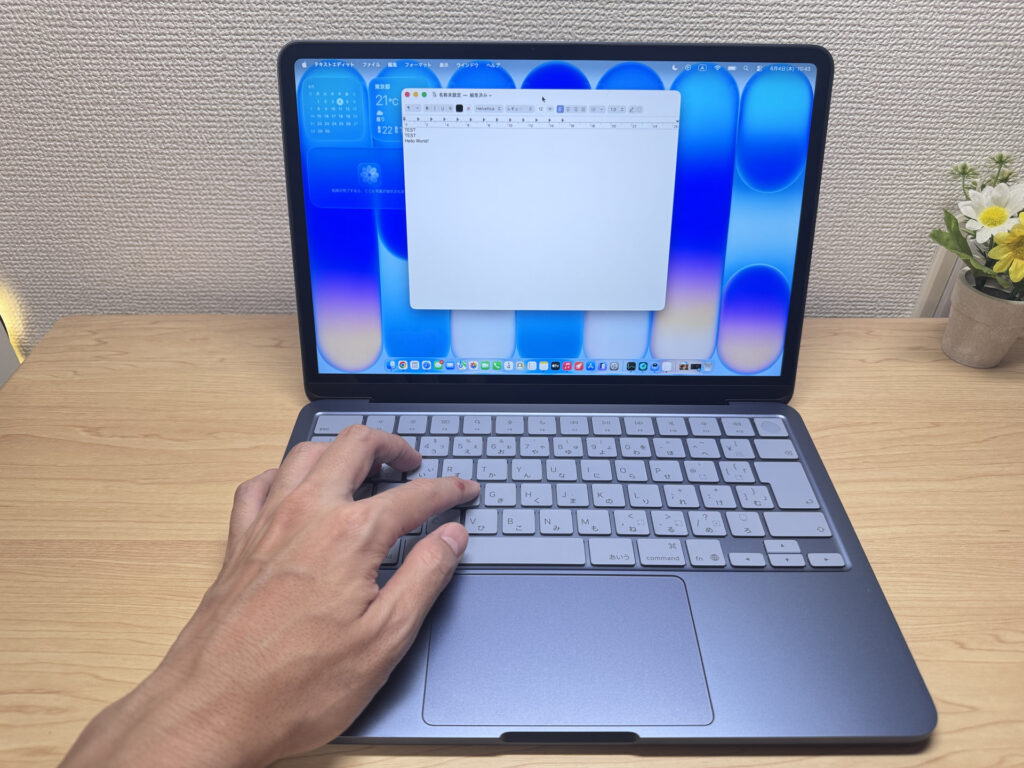 You don't need high specs for nursing school — just pick something easy to use 😉
Everyday Usability: Light Weight, All-Day Battery, and USB-C Charging Make Life So Much Easier
For nursing students, weight should be your top priority. Aim for under 1.4kg (about 3 lbs) with a 13–14 inch screen. You'll be carrying this laptop to class, to clinicals, and to training constantly 🎒, so picking a heavy model means a shoulder-digging bag every single day — and you'll regret it.
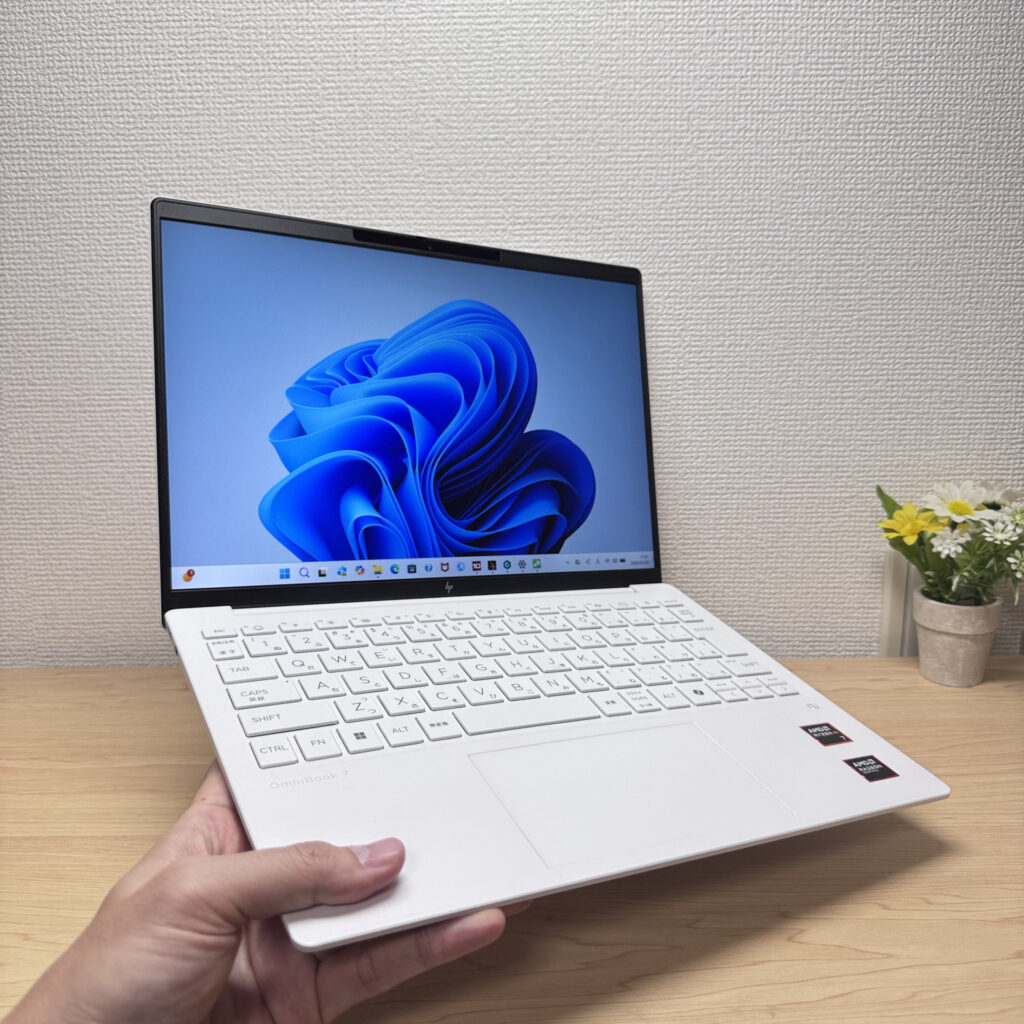 A 13–14 inch laptop is easy to carry and easy to use!
The other thing nursing students especially need to care about is battery life. On clinical days or long lecture blocks, you'll often be stuck without an outlet for hours. Aim for 10+ hours of battery life and you can go from morning to evening without ever hunting for a charger.
There's also something that quietly makes a huge difference: USB-C charging. Manufacturer chargers are surprisingly heavy — you'll have a featherlight laptop, then add the charger and suddenly your bag weighs a ton 😇. But if your laptop supports USB-C charging, you can swap in a tiny USB-C charger (the kind you'd buy for your phone) from Amazon instead. That one swap makes a massive difference to how much your bag weighs. Just make sure you grab one rated 60W or higher for a laptop — that's the one thing to watch out for. A light laptop, all-day battery, and a compact USB-C charger — get all three and your bag gets noticeably lighter for class and clinicals alike.
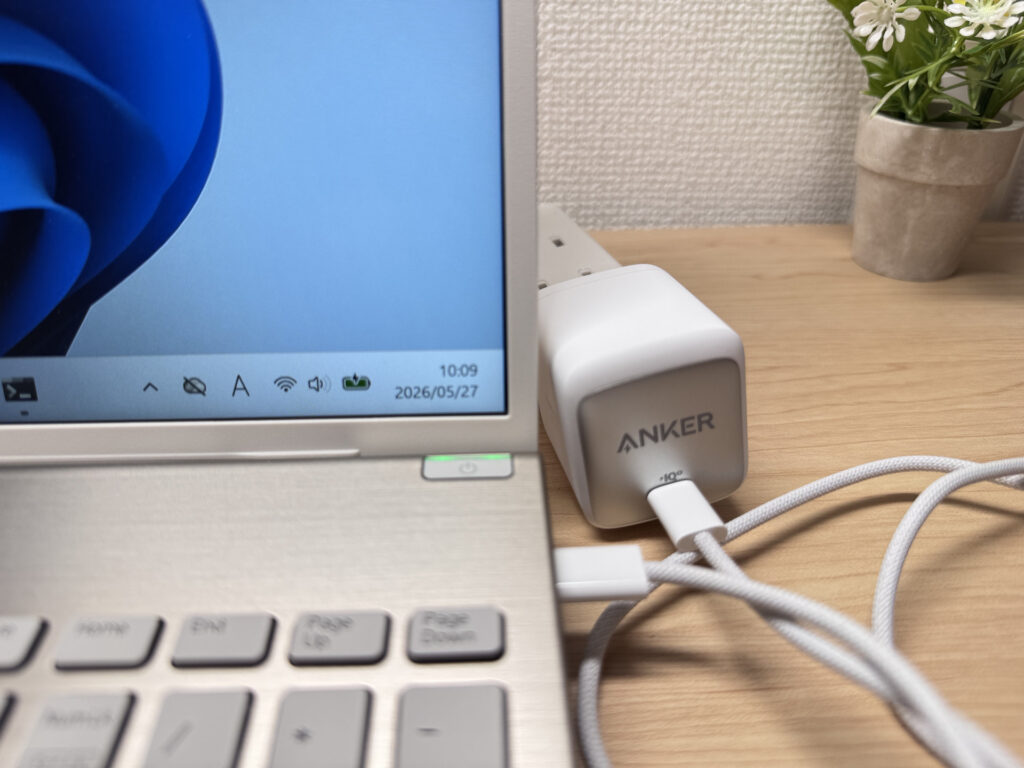 Go with a laptop that supports USB-C charging. This Anker USB-C charger weighs just 92g.
Price: An Entry-Level Model Is Plenty — Budget Around $800, Up to $1,200 Max
Since nursing students don't need high performance, an entry-level, beginner-friendly laptop is more than enough. Budget around $800, and up to $1,200 at most if you want to spend more. That said, $800-range laptops usually come with some kind of tradeoff — something's always cut to hit that price. If you can stretch to around $1,200, you'll land on a much more balanced machine.
And here's the part to really pay attention to: laptops sold through your school often come with a markup baked in. You can frequently find the exact same spec for way less by buying directly from the manufacturer's online store. So don't just take your school's recommendation at face value — take a few minutes to check prices online yourself 👀. A quick search can easily save you tens of thousands of yen, and that's money you could put toward a compact charger or a mouse instead.
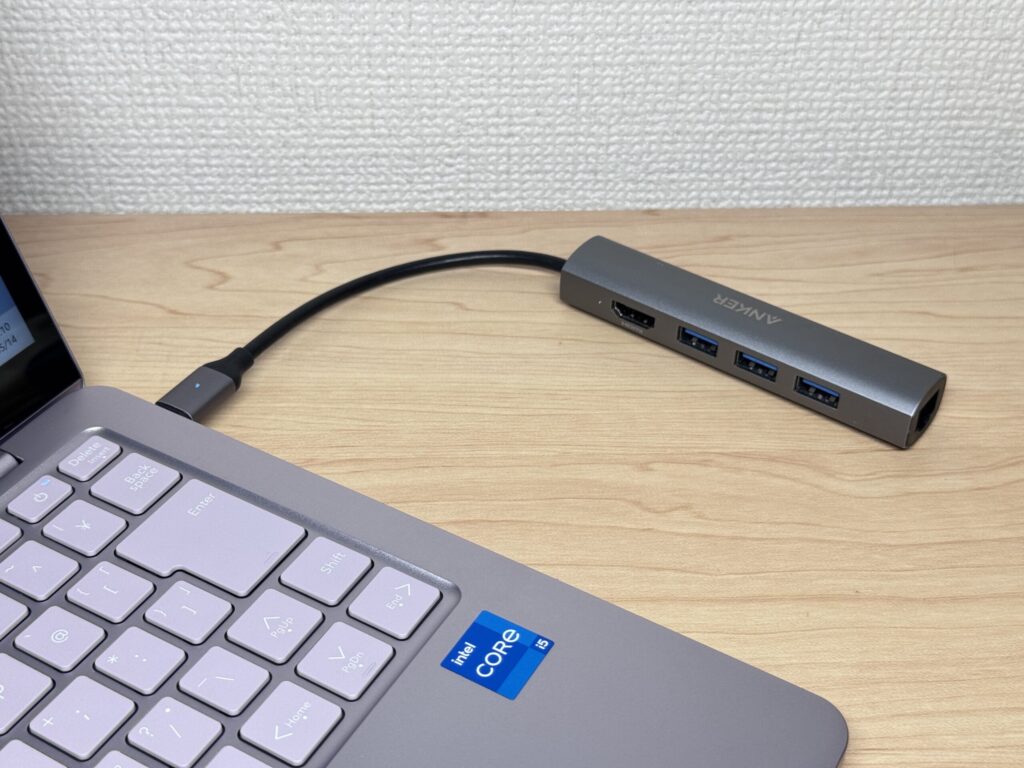 Handy accessories like a USB-C hub can also make life easier ✨
So those are the three things to think about when choosing a laptop for nursing school ⭕️.
In this post, I've picked out reasonably priced laptops that check all of these boxes, so take a look below. Every one of these is a model I'd genuinely recommend 👍.
Our Picks
#1HP OmniBook 7 Aero 13-bg
- ·You carry your laptop everywhere and want something that doesn't weigh you down
- ·You need a solid machine for writing papers, browsing, and video calls
- ·You work from coffee shops, campus, or anywhere outside your desk
- ·You need serious gaming or video editing performance — this isn't built for that
- ·You spend long days away from an outlet and need all-day battery life
Key Specs
- CPU
- AMD Ryzen AI 7 350
- Display
- 13.3-inch 1920x1200 IPS
- RAM
- 16GB
- Weight
- 0.97 kg (2.14 lbs)
- Storage
- 1TB SSD
- Battery
- ~15.5h
Why We Picked It
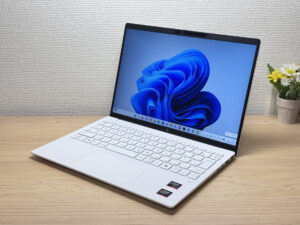
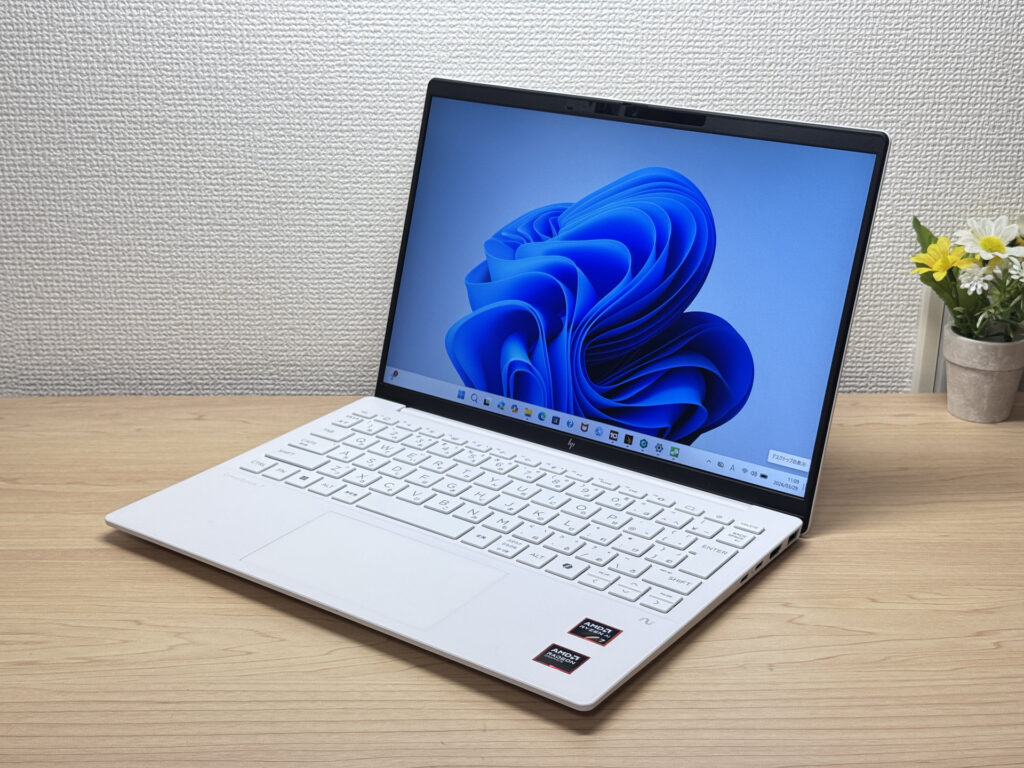
HP OmniBook 7 Aero 13-bg comes in at just 970g (about 2.1 lbs), making it a perfect match for nursing students who are carrying their laptop everywhere. Between the daily commute to campus and hauling your gear to clinicals, that kind of weight makes a real difference.
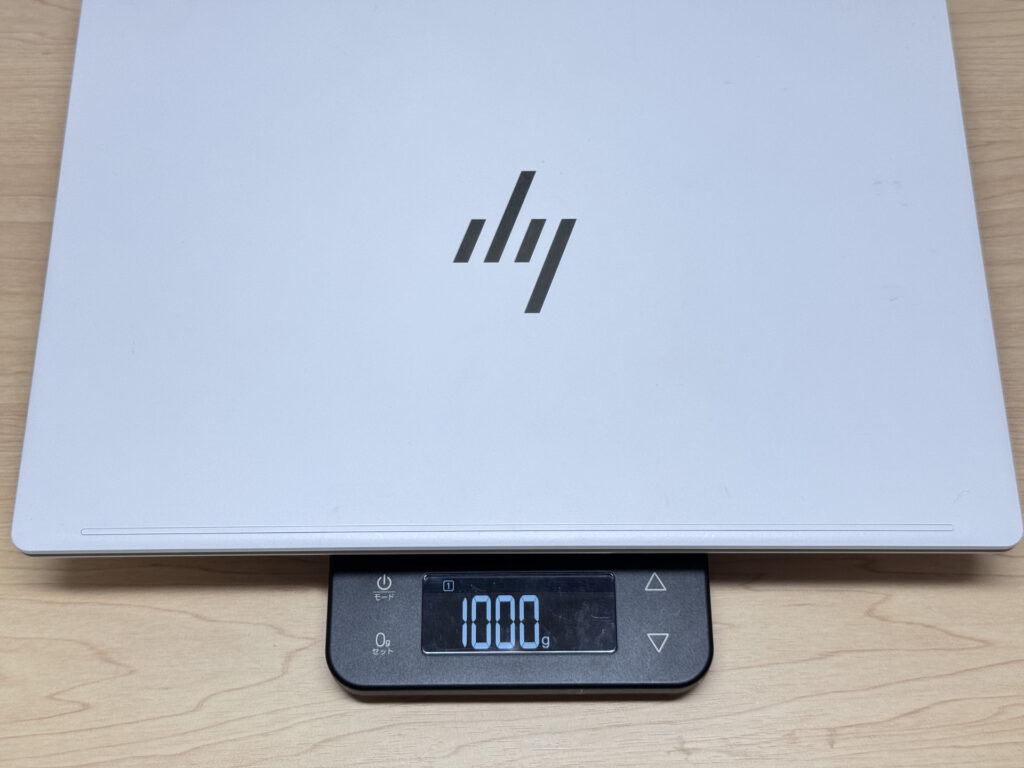 My own scale read 1000g, but even so, it's ridiculously light.
Design-wise, while most laptops stick to black, this one comes in "Glacier Silver Ceramic White," which gives it a genuinely cute look 👍. It also supports facial recognition, so unlocking is quick and smooth. The specs hold up well too, so this is a laptop you can count on for years to come 😊
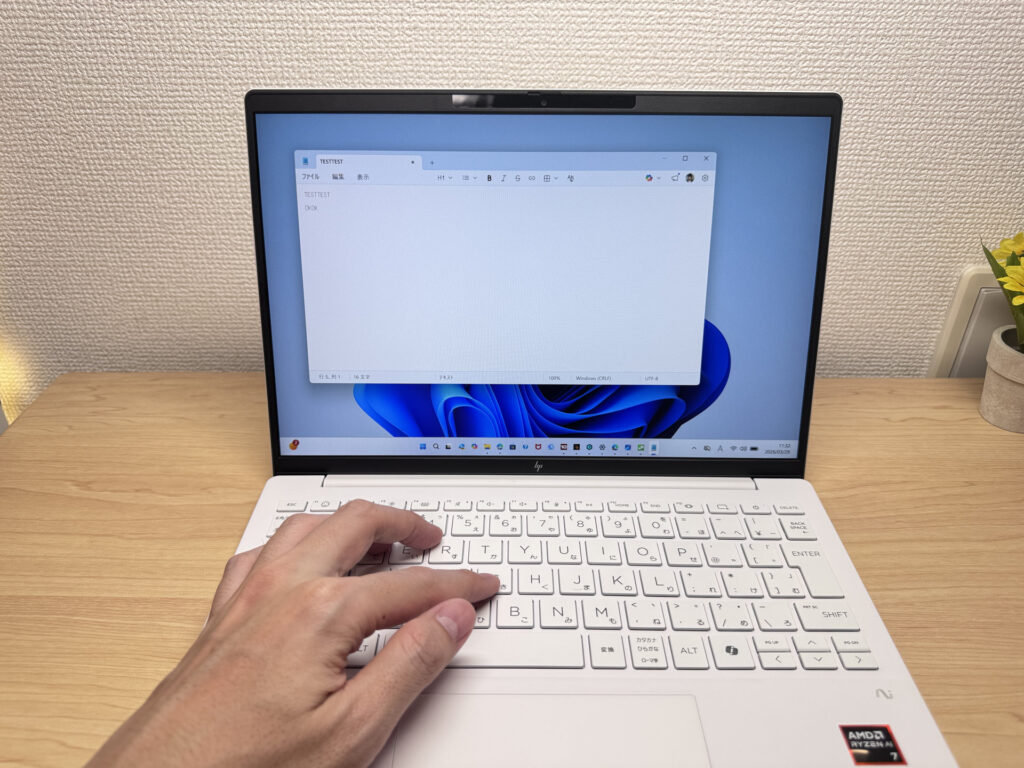 The white keyboard adds a really nice design touch too ✨
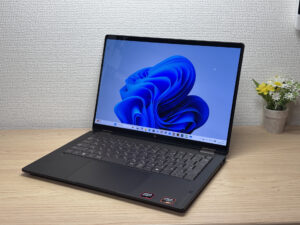
#2HP OmniBook X Flip 14-kc
- ·You want one device that works as both a laptop and a tablet
- ·You need something that handles papers, browsing, and multitasking smoothly
- ·You want a great screen and sound for watching videos and movies
- ·You're bothered by screen glare and want a matte display instead
- ·You need serious video editing power or heavyweight gaming — other options may serve you better
- ·Weight is your top priority and you're after something in the 1.2 kg (~2.6 lb) range
Key Specs
- CPU
- AMD Ryzen AI 5 430
- Display
- 14.0-inch 1920x1200 OLED touch
- RAM
- 16GB
- Weight
- 1.40 kg (3.09 lbs)
- Storage
- 512GB SSD
- Battery
- ~24.0h
Why We Picked It
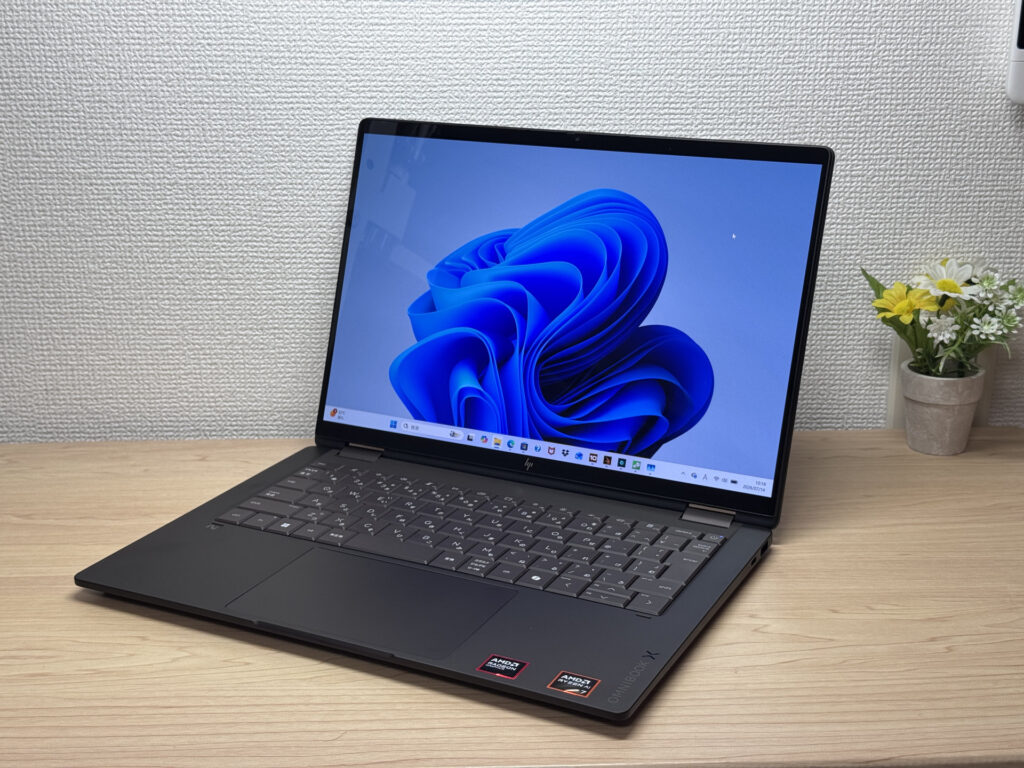
The HP OmniBook X Flip 14 is a 14-inch 2-in-1 with a premium Deep Espresso finish and a gorgeous 2880×1800, 120Hz OLED display. It supports tablet mode and pen input, and with the AMD Ryzen AI 7 450 plus 32GB of RAM, it handles multitasking without breaking a sweat. The glossy screen does pick up some reflections, but given the build quality and expandability, it's still a solid value.
Premium build meets 2-in-1 versatility
#3Dell XPS 13 (DX13260, 2026)
- ·College students and professionals who carry a laptop around every day
- ·Anyone picking out their first Windows laptop
- ·Mac-curious shoppers drawn to that compact, premium MacBook Neo-style feel
- ·Anyone who wants touchscreen input
- ·Not a great fit if you need to run a lot of peripherals without a USB-C hub
- ·If you want to plug in wired earbuds directly, you might want to look elsewhere
Key Specs
- CPU
- Intel Core 5 320
- Display
- 13.4-inch 2560x1600 touch
- RAM
- 8GB
- Weight
- 1.00 kg (2.20 lbs)
- Storage
- 512GB SSD
- Battery
- ~17.0h
Why We Picked It
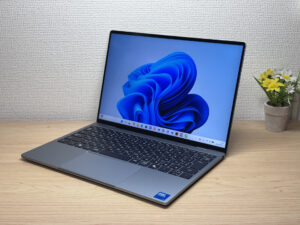
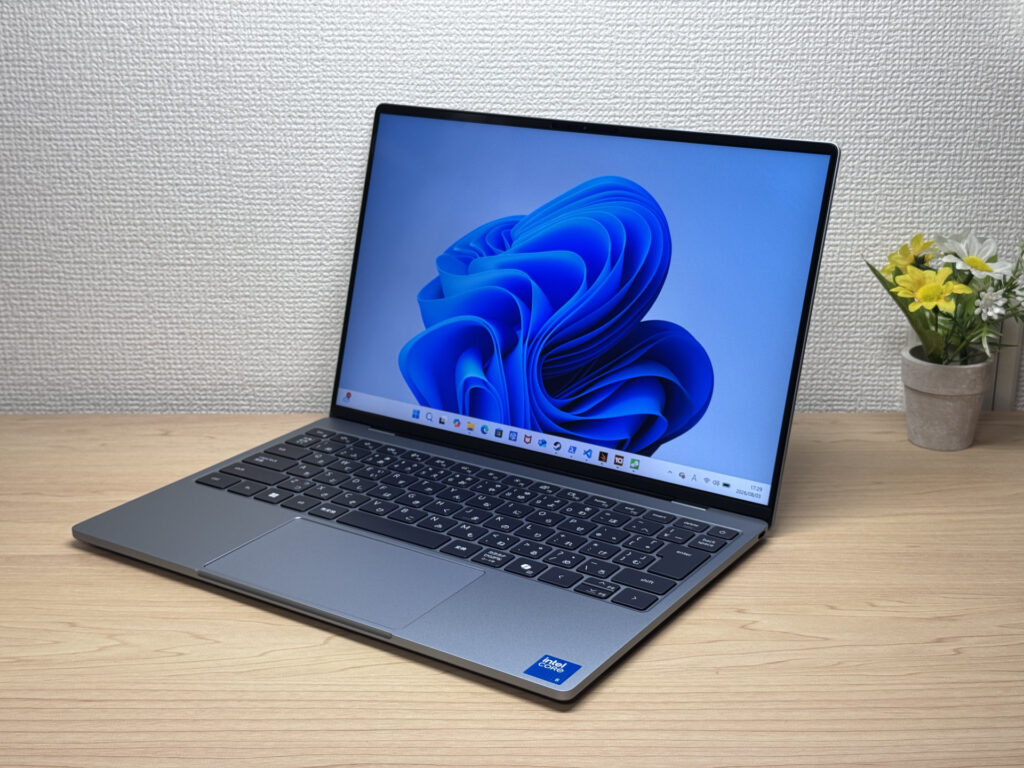
The Dell XPS 13 (DX13260, 2026) is a 13.4-inch ultraportable that stands out for its machined-unibody build quality and the razor-thin bezels made possible by InfinityEdge. It pulls off a rare combo: a featherlight 1045 g (~2.3 lbs) chassis paired with a 2.5K, 120Hz touchscreen, and the whole package feels like a direct answer to the MacBook Neo. It's whisper-quiet at idle, and the keyboard has a satisfying, clicky feel that left a great first impression. The 8GB RAM ceiling and having only two USB-C ports hold it back a bit, but given the build quality and that stunning display, this one's an easy recommend.
InfinityEdge makes for razor-thin bezels up front
More Recommended Models
If our TOP 3 didn't quite click, take a look here too. These are picked with the same criteria, so you won't go far wrong either.
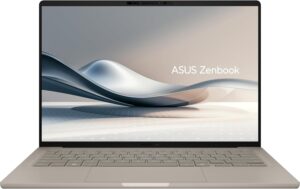
Just 0.98 kg (2.2 lbs) and a claimed 32 hours — a 14-inch that goes all-in on weight and battery.
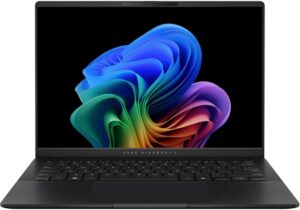
14 inches, about 2.9 lbs (1.3 kg), and current-gen internals that travel light.
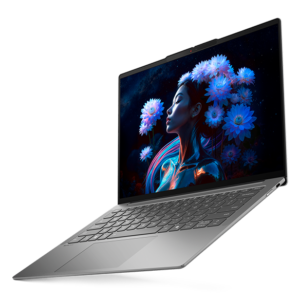
A 14-inch laptop so light (2.3 lbs) you'll forget it's in your bag
Spec Comparison
Compare specs of all 6 recommended models at a glance.
Note: This table is ordered by our editors' picks for this use case, not by ZippyScore.
| Model | Image | Stores | Highlights | ZippyScore | CPU | RAM | Storage | Display | Battery | Weight | Full Review |
|---|---|---|---|---|---|---|---|---|---|---|---|
|
🥇 Best Overall
HP
OmniBook 7 Aero 13-bg
|
|
Amazon | Under 1kg, seriously cute design, solid specs — basically the perfect nursing school laptop. | Best 4.5/5 | Best AMD Ryzen AI 7 350 Passmark: 24,959 | 16GB | Best 1TB |
13.3"
1920x1200
IPS
|
~15.5h | Best 0.97 kg (2.14 lbs) | Full Review |
|
🥈 Best Balanced Pick
HP
OmniBook X Flip 14-kc
|
|
Amazon | A gorgeous OLED 2-in-1 that punches way above its price. | 4.5/5 | AMD Ryzen AI 5 430 Passmark: 13,437 | 16GB | 512GB |
14.0"
1920x1200
OLED
|
~24.0h | 1.40 kg (3.09 lbs) | Full Review |
|
🥉 Best Value Pick
Dell
XPS 13 (DX13260, 2026)
|
|
Amazon | Ridiculously light and gorgeous, with a 2.5K display that steals the whole show | 4.1/5 | Intel Core 5 320 Passmark: 15,482 | 8GB | 512GB |
13.4"
2560x1600
|
~17.0h | 1.00 kg (2.20 lbs) | Full Review |
|
ASUS
Zenbook A14 (UX3407QA)
|
|
Amazon | Just 0.98 kg (2.2 lbs) and a claimed 32 hours — a 14-inch that goes all-in on weight and battery. | 4.1/5 | Snapdragon X X1-26-100 | 16GB | 512GB |
14.0"
1920x1200
OLED
|
Best ~32.0h | 0.98 kg (2.16 lbs) | — |
|
ASUS
Vivobook S 14 (S5406SA)
|
|
Amazon | 14 inches, about 2.9 lbs (1.3 kg), and current-gen internals that travel light. | 4.1/5 | Intel Core Ultra 7 258V Passmark: 18,961 | Best 32GB | Best 1TB |
14.0"
1920x1200
OLED
|
~21.5h | 1.30 kg (2.87 lbs) | — |
|
Lenovo
IdeaPad Slim 5i Ultra Gen 11 (14-inch Intel)
|
|
Amazon | A 14-inch laptop so light (2.3 lbs) you'll forget it's in your bag | 3.7/5 | Intel Core Ultra 5 226V Passmark: 18,095 | 16GB | 256GB |
14.0"
1920x1200
IPS
|
~23.3h | 1.06 kg (2.34 lbs) | Full Review |
Frequently Asked Questions
Is 8GB of RAM enough, or should I go with 16GB?
How much storage do I actually need?
Mac or Windows — which should I get?
Is USB-C charging really that big of a deal?
Should I just buy whatever laptop my school recommends?
Summary
Here's a quick recap of the conclusion from this article:
These are the models that meet those criteria:
- #1 HP OmniBook 7 Aero 13-bg
- #2 HP OmniBook X Flip 14-kc
- #3 Dell XPS 13 (DX13260, 2026)
- #4 ASUS Zenbook A14 (UX3407QA)
- #5 ASUS Vivobook S 14 (S5406SA)
- #6 Lenovo IdeaPad Slim 5i Ultra Gen 11 (14-inch Intel)
We hope you find the laptop that's right for you here.
Happy laptop hunting!
About the author